Where Mold Hides in Homes: Common Growth Areas and How Inspections Find Them in North Stonington
Mold doesn’t announce itself—it grows quietly behind walls, under floors, or above ceilings, especially in North Stonington’s humid seasons. Our team knows the most common hiding spots and uses professional tools to locate them before they compromise your home’s air quality or structure.
Why Mold Thrives in Coastal Connecticut Homes
North Stonington’s proximity to the coast and its seasonal swings—from damp springs to humid summers—create ideal conditions for mold. Spores need only moisture, organic material, and 24–48 hours to take hold.
Older homes in Voluntown or Griswold often have poor ventilation or outdated insulation, accelerating growth. Even newer builds in Preston or Ledyard can suffer if water intrusion isn’t addressed promptly.
New England’s high humidity and frequent rain mean mold prevention requires year-round vigilance, not just seasonal checks.
Top 5 Hidden Mold Hotspots in Your Home
Basements and crawl spaces top the list. Poor drainage, cracked foundations, or missing vapor barriers let moisture seep in, feeding mold on joists, subflooring, or stored items.
Attics are another prime target. Ice dams in winter or roof leaks can saturate insulation and sheathing, while inadequate ventilation traps humidity. We often find growth on plywood or along rafters.
Bathrooms and kitchens harbor mold behind tile, under sinks, or in cabinets where pipe condensation or slow leaks go unnoticed. Even caulk can hide colonies if not inspected regularly.
HVAC systems circulate spores if ductwork or coils are damp. In North Stonington’s older homes, poorly sealed ducts in basements or attics exacerbate the problem.
Walls and ceilings conceal mold after water damage from plumbing failures, roof leaks, or even high indoor humidity. Drywall and insulation are porous, offering ample food for spores.
How Professional Mold Inspections Work
We start with a visual assessment, but that’s just the beginning. Mold often lurks where you can’t see it—behind drywall, under flooring, or inside wall cavities.
Moisture meters help us detect elevated humidity in materials, pinpointing areas at risk even before mold appears. Thermal imaging cameras reveal temperature differences that indicate hidden moisture.
Air sampling captures spore counts and types, comparing indoor levels to outdoor baselines. Surface sampling identifies specific mold species on materials, critical for remediation planning.
Mold Inspection vs. Mold Testing: What’s the Difference?
Inspections focus on identifying mold presence, sources of moisture, and the extent of damage. They’re a visual and technical process to map the problem.
Testing, on the other hand, involves collecting samples to determine spore types and concentrations. It’s often used when health concerns arise or to confirm remediation success.
| Aspect | Mold Inspection | Mold Testing |
|---|---|---|
| Primary Goal | Locate mold and moisture sources | Identify spore types and concentrations |
| Tools Used | Moisture meters, thermal imaging, borescopes | Air pumps, swabs, petri dishes |
| When Needed | Visible mold, water damage, or musty odors | Health symptoms, post-remediation verification |
| Deliverable | Detailed report with photos and remediation plan | Lab analysis with spore count and species breakdown |
Signs You Need a Mold Inspection
Musty odors are a red flag. If you smell it but can’t see it, mold is likely hiding in walls, under floors, or in ductwork. Don’t ignore it—early detection saves time and money.
Visible water stains or discoloration on ceilings, walls, or baseboards often signal past or ongoing leaks. Even if the area looks dry now, mold may still be active behind the surface.
Unexplained health issues—like allergies, respiratory problems, or skin irritation—can indicate hidden mold. Children, the elderly, and those with compromised immune systems are especially vulnerable.
By the time you see mold, the colony may have already spread significantly. Proactive inspections catch issues before they escalate.
Common Mold Types in North Stonington Homes
Aspergillus is frequent in damp basements and crawl spaces. It appears in various colors and can trigger allergic reactions or respiratory issues.
Cladosporium, often black or green, thrives on wood, drywall, and fabrics. It’s common in bathrooms and attics with poor ventilation.
Penicillium spreads quickly on water-damaged materials, emitting a strong musty odor. It’s often found in insulation, wallpaper, or carpeting.
Stachybotrys—often called black mold—requires prolonged moisture and is typically found on cellulose-rich materials like drywall or wood. It’s less common but more hazardous.
Preventing Mold in High-Risk Areas
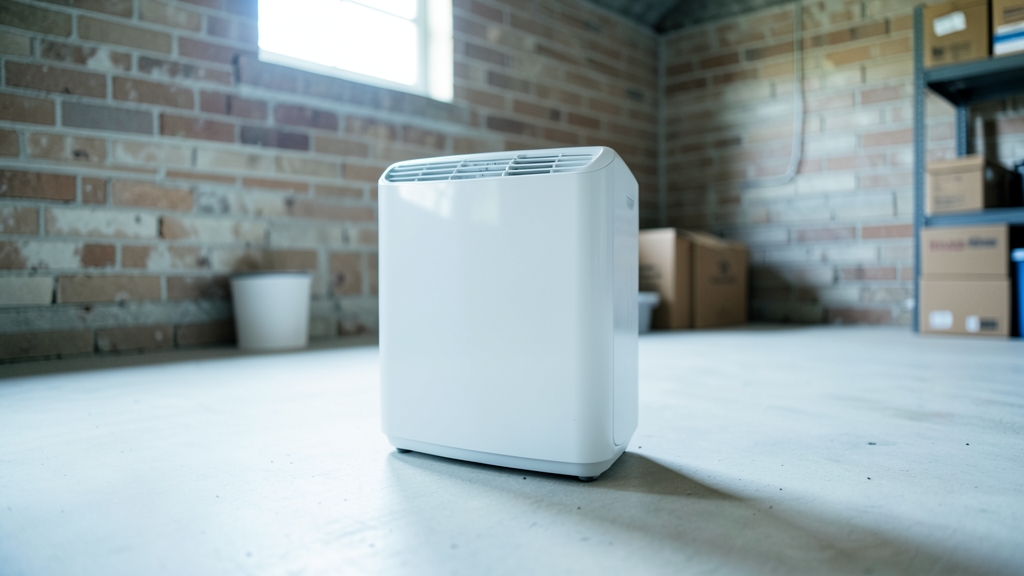
Basements and crawl spaces need vapor barriers, proper grading, and sump pumps where necessary. Dehumidifiers are essential in North Stonington’s humid months.
Attics require adequate ventilation and insulation to prevent condensation. Regularly check for roof leaks, especially after heavy storms common in the region.
Bathrooms and kitchens benefit from exhaust fans vented outdoors, not into attics. Wipe down surfaces after use and fix leaks under sinks immediately.
Mold Prevention Checklist
- Install and maintain vapor barriers in crawl spaces
- Use dehumidifiers in basements, keeping humidity below 60%
- Ensure attic ventilation meets local building codes
- Inspect roofs and gutters annually for leaks or blockages
- Run bathroom and kitchen exhaust fans for 20–30 minutes after use
- Address plumbing leaks or water intrusion within 24–48 hours
What to Do If You Suspect Mold
Avoid disturbing the area. Touching or cleaning mold without proper precautions can release spores into the air, worsening the problem.
Isolate the space if possible. Close doors or use plastic sheeting to prevent spores from spreading to other parts of your home.
Contact a professional for mold inspection and testing. DIY kits often lack the precision of lab analysis and can miss hidden growth.
Bleach may kill surface mold but doesn’t address the root moisture issue or spores embedded in porous materials. Professional remediation ensures thorough, lasting results.
How to Prepare for a Professional Mold Inspection
A little prep ensures our team can work efficiently and accurately.
- 1Clear Access Points
Move stored items away from walls, especially in basements, attics, and crawl spaces. This allows us to inspect all areas thoroughly.
- 2Note Problem Areas
Make a list of spots where you’ve seen mold, smelled odors, or experienced water damage. Share this with the inspector to streamline the process.
- 3Secure Pets and Children
Keep pets and kids out of the inspection area. Some tools, like thermal cameras, require quiet, uninterrupted access.
- 4Provide Access to All Areas
Unlock crawl space hatches, attic entries, and utility closets. Our team needs to check HVAC systems, plumbing, and electrical panels.
- 5Share Your Home’s History
Tell us about past water damage, leaks, or renovations. This context helps us identify recurring issues or hidden risks.
Frequently Asked Questions
How long does a mold inspection take in North Stonington?
Most inspections take 1–3 hours, depending on the home’s size and complexity. Larger properties or those with multiple problem areas may require additional time. We provide a detailed report shortly after.
Can mold grow in winter in Connecticut?
Yes. While outdoor mold activity slows in cold months, indoor mold can thrive year-round if moisture is present. Ice dams, frozen pipes, and poor ventilation create ideal winter conditions for growth.
Is mold in my attic dangerous?
Attic mold can be hazardous, especially if spores enter your living spaces through HVAC systems or gaps in insulation. It can also compromise structural integrity over time. Professional inspection and remediation are recommended.
Do I need mold testing if I already see mold?
Not always. If mold is visible, testing may not be necessary for identification. However, testing helps determine the type and extent of spores in the air, which is useful for remediation planning and health assessments.
How often should I have my home inspected for mold in North Stonington?
We recommend an annual inspection, especially if your home has a history of water damage, poor ventilation, or high humidity. After major storms or plumbing issues, schedule an inspection promptly.
Can mold return after remediation?
Yes, if the underlying moisture issue isn’t resolved. Effective remediation includes fixing leaks, improving ventilation, and controlling humidity. Our team addresses both the mold and its root cause to prevent recurrence.