The Hidden Dangers of DIY Mold Removal in North Stonington
Tackling mold yourself might seem like a cost-saving move, but in our humid Connecticut climate, it often backfires. Without proper containment and removal techniques, DIY efforts can spread spores, worsen contamination, and even expose you to health risks. We’ve seen it firsthand in homes across North Stonington and neighboring towns like Ledyard and Preston.
Why Mold Thrives in Connecticut Homes
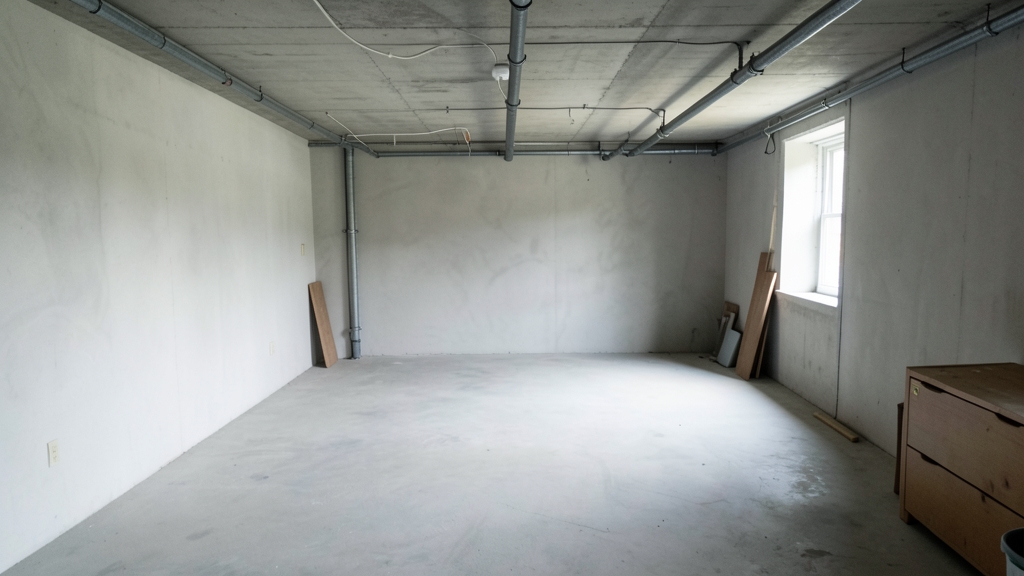
Our region’s high humidity, especially in summer and fall, creates ideal conditions for mold growth. Basements, crawl spaces, and attics—common in older North Stonington homes—are particularly vulnerable due to poor ventilation and moisture buildup.
Leaks from heavy rains or snowmelt, common in areas like Voluntown and Griswold, can go unnoticed until mold colonies take hold. Even minor water damage, if untreated, can lead to widespread infestations within 48 hours.
The Health Risks of Improper Mold Removal
Disturbing mold without proper PPE (personal protective equipment) releases spores and mycotoxins into the air. Inhalation can trigger allergies, respiratory issues, or even neurological symptoms in sensitive individuals.
Black mold (Stachybotrys) is especially hazardous. Without professional-grade air scrubbers and containment, spores can spread to HVAC systems, contaminating your entire home.
Never scrape or bleach mold without a respirator and full containment. Spores released during DIY cleaning can worsen air quality and health risks.
How DIY Methods Often Make Mold Worse
Bleach only removes surface mold—it doesn’t kill the roots (hyphae) embedded in porous materials like drywall or wood. This leads to regrowth, often more aggressive than before.
Without HEPA vacuums or negative air pressure, spores disperse to unaffected areas. We’ve responded to cases in Preston and Ledyard where DIY attempts turned a small attic issue into a whole-house problem.
| DIY Mistake | Why It Fails | Professional Approach |
|---|---|---|
| Bleach application | Only surface-level; doesn’t penetrate porous materials | Use EPA-approved fungicides and remove contaminated materials |
| No containment | Spores spread to clean areas via air currents | Seal off work area with plastic sheeting and negative air pressure |
| Household vacuums | Re-release spores into the air | HEPA vacuums and air scrubbers capture 99.97% of particles |
| Ignoring moisture source | Mold returns without fixing leaks or humidity | Identify and remediate water intrusion first |
The Hidden Costs of DIY Mold Removal
While DIY might save upfront, the long-term costs add up. Incomplete removal often leads to recurring infestations, requiring more extensive (and expensive) remediation later.
Factor in the cost of replacing damaged drywall, insulation, or flooring—materials often ruined by improper cleaning. In commercial spaces or large homes in Griswold or Voluntown, the risks and costs multiply.
Costs vary based on square footage, mold type, and moisture source complexity. We provide detailed estimates after a thorough mold inspection and testing.
When to Call a Professional Mold Remediation Team
If mold covers more than 10 square feet, or if it’s in your HVAC system, crawl space, or attic, professional help is non-negotiable. These areas require specialized equipment and expertise.
Suspect hidden mold? Musty odors, water stains, or health symptoms without visible growth are red flags. We use thermal imaging and air quality testing to detect what’s lurking behind walls or under flooring.
What to Expect During Professional Mold Remediation
First, we conduct a mold inspection and testing to assess the extent and type of contamination. This includes air quality testing and moisture mapping to identify the source.
Next, we set up containment barriers and negative air pressure to prevent spore spread. Contaminated materials are safely removed, and the area is cleaned with antimicrobial treatments. Finally, we address the moisture issue to prevent recurrence.
Our Mold Remediation Process
- Comprehensive mold inspection and air quality testing
- Containment setup with plastic sheeting and negative air pressure
- Safe removal and disposal of contaminated materials
- HEPA vacuuming and antimicrobial treatment
- Moisture source identification and remediation
- Post-remediation verification testing
Preventing Mold Before It Starts
Control humidity levels below 50% with dehumidifiers, especially in basements and crawl spaces. In North Stonington’s damp climate, this is critical year-round.
Inspect roofs, gutters, and downspouts annually. Clogged gutters or poor drainage can direct water into your home’s foundation, a common issue we see in older homes in Preston and Ledyard.
Address leaks immediately—whether from pipes, windows, or roofs. Even small drips can lead to major mold problems if left unchecked.
How to Safely Inspect for Mold Before Calling the Pros
If you suspect mold but aren’t sure, follow these steps to assess the situation without disturbing it.
- 1Look for Visual Signs
Check for black, green, or white spots on walls, ceilings, or under sinks. Pay special attention to basements, attics, and around windows.
- 2Follow Your Nose
Musty odors often indicate hidden mold, even if you can’t see it. Trust your senses—mold has a distinct, earthy smell.
- 3Check for Water Damage
Look for water stains, peeling paint, or warped flooring. These are signs of past or current moisture issues that could lead to mold.
- 4Avoid Disturbing It
Do not touch or scrape the mold. Disturbing it can release spores into the air, worsening the problem.
- 5Note the Location and Size
Document where the mold is and estimate its coverage. This helps professionals determine the scope of remediation needed.
- 6Contact a Professional
If you find mold or suspect it’s hidden, call us for a mold inspection and testing. We’ll identify the type and extent of contamination safely.
Frequently Asked Questions
Can I use vinegar or baking soda to remove mold?
While vinegar or baking soda can kill some surface mold, they’re not effective for porous materials or large infestations. For small, non-porous surfaces, they may help temporarily, but professional remediation is safer and more thorough for North Stonington homes.
How do I know if the mold in my home is toxic?
Not all mold is toxic, but some—like black mold—can produce mycotoxins harmful to health. The only way to know for sure is through professional mold testing. We analyze samples to identify the species and recommend the right remediation approach.
Why is mold more common in basements and crawl spaces in North Stonington?
Basements and crawl spaces are prone to high humidity and poor airflow, especially in our climate. Concrete walls can wick moisture from the soil, and lack of ventilation traps damp air. These conditions create a perfect breeding ground for mold.
What should I do if I find mold in my rental property in Griswold or Preston?
Document the mold with photos and notify your landlord immediately. In Connecticut, landlords are typically responsible for addressing mold issues. If they’re unresponsive, professional mold inspection and testing can provide the evidence needed to escalate the issue.
Can mold come back after professional remediation?
If the moisture source isn’t addressed, mold can return. That’s why our process includes identifying and fixing the root cause—whether it’s a leak, poor ventilation, or high humidity. We also offer mold prevention and moisture control services to keep your home safe long-term.
Is mold removal covered by homeowners insurance in Connecticut?
Coverage varies by policy and the cause of the mold. If mold results from a covered peril like a burst pipe, your insurance may pay for remediation. However, mold due to neglect or long-term moisture issues is often excluded. Check your policy and request a quote from us to understand your options.