How Air Sampling Helps Detect Invisible Mold in North Stonington
Mold doesn’t always announce itself with dark spots or musty odors. In North Stonington’s humid climate, invisible spores can thrive behind walls, under flooring, or in ductwork—undetectable without specialized tools. Air sampling is our go-to method for uncovering these hidden threats before they compromise your health or property.
Why Mold Goes Undetected in Homes
Mold spores are microscopic and can spread through the air long before visible colonies form. In older homes common in Voluntown or Griswold, hidden leaks or poor ventilation create ideal breeding grounds behind drywall or in crawl spaces.
Even new construction isn’t immune. Moisture from improperly sealed basements or attics in Preston and Ledyard can foster mold growth in areas you’d never think to check without professional testing.
How Air Sampling Works: The Science Behind Detection
We use calibrated pumps to draw air through spore traps or agar plates, capturing both viable (living) and non-viable (dead) spores. Non-viable sampling is faster and identifies all spore types, while viable sampling grows colonies to specify mold species.
Samples are collected indoors and outdoors for comparison. Outdoor samples establish a baseline of normal spore levels for the region, which helps us determine if indoor counts are elevated.
| Method | Detection Scope | Turnaround Time | Best For |
|---|---|---|---|
| Non-Viable (Spore Trap) | All spore types (viable & non-viable) | 24-48 hours | General screening, quick results |
| Viable (Agar Plate) | Living spores only | 5-7 days | Species identification, targeted remediation |
Where We Sample: Targeting High-Risk Zones
We prioritize areas prone to moisture: basements, crawl spaces, attics, and near HVAC systems. In North Stonington, unfinished basements and older homes with poor drainage often test highest for spores like Aspergillus or Penicillium.
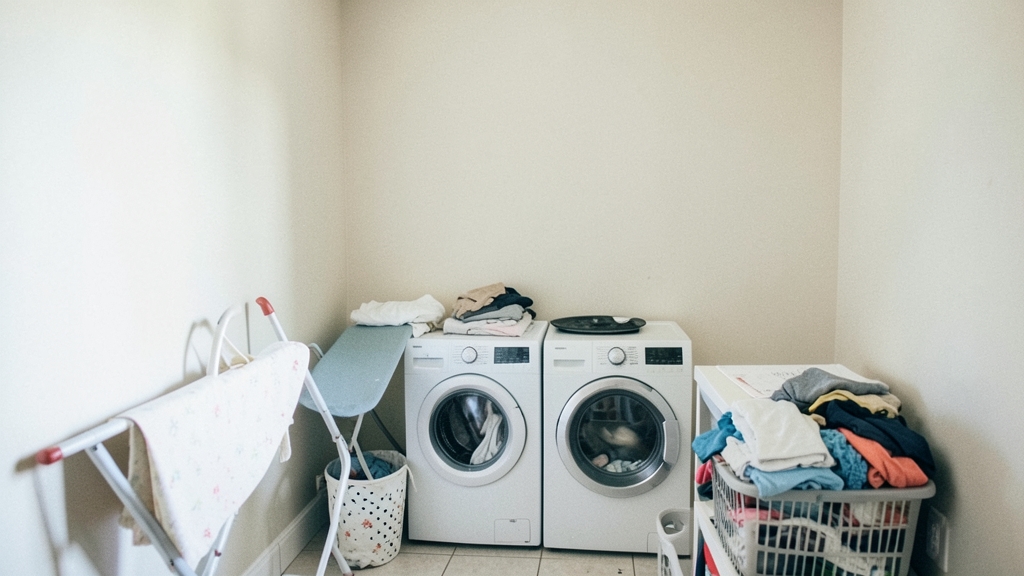
Kitchens, bathrooms, and laundry rooms are also hotspots due to humidity. We’ll sample multiple rooms to map spore distribution and pinpoint the source.
Close windows and turn off HVAC systems 24 hours before sampling to avoid skewed results from outdoor spores or circulated air.
What Your Air Sampling Results Reveal
Lab reports detail spore types and concentrations. Elevated levels of Stachybotrys (black mold) or Chaetomium often indicate water damage, while high Cladosporium counts suggest ongoing humidity issues.
We compare indoor vs. outdoor spore ratios. A 1:1 or higher indoor-to-outdoor ratio for certain species signals an active problem requiring remediation.
When Air Sampling Beats Surface Testing
Surface swabs or tape lifts only confirm mold where it’s visible. Air sampling detects hidden infestations in wall cavities, under carpeting, or inside ductwork—critical for comprehensive assessments.
It’s also the best method for post-remediation verification. After mold removal in a North Stonington attic or crawl space, we retest the air to confirm spore levels have returned to normal.
DIY test kits often lack the precision of professional equipment. Improper sampling can miss contaminants or yield false negatives, delaying critical remediation.
Common Mold Types Found in Local Air Samples
In our region, we frequently identify Alternaria, common in damp basements, and Basidiospores, which thrive on wood in attics or crawl spaces. Toxigenic species like Stachybotrys are less common but should be addressed promptly.
Seasonal shifts affect spore types too. Spring and fall’s high humidity in Connecticut often spike Cladosporium and Epicoccum counts, even in well-maintained homes.
Next Steps After Detection: From Testing to Remediation
Positive results trigger a moisture inspection using thermal imaging and moisture meters to locate the source. We’ll check for leaks, condensation, or poor ventilation in problem areas.
Once the source is addressed, we contain the affected area, remove contaminated materials, and use HEPA filtration to clean the air. Post-remediation air sampling confirms the job is done right.
How to Prepare for Professional Mold Air Sampling
A few simple steps ensure accurate results and save time.
- 1Close Windows and Doors
Keep all windows and exterior doors shut for at least 24 hours before sampling to prevent outdoor spores from skewing results.
- 2Turn Off HVAC Systems
Shut down heating, cooling, and ventilation systems 24 hours prior to avoid circulating spores unevenly.
- 3Avoid Cleaning or Disturbing Areas
Don’t vacuum, dust, or use air purifiers before testing. Disturbing mold can release spores and affect accuracy.
- 4Clear Access to Problem Areas
Move furniture or stored items away from walls, basements, or attics where sampling will occur.
- 5Note Any Musty Odors or Water Issues
Tell our team about any smells, past leaks, or water damage. This helps us target sampling more effectively.
Frequently Asked Questions
How long does air sampling for mold take in North Stonington?
On-site sampling takes about 1-2 hours, depending on the home’s size and the number of areas tested. Lab analysis adds 24-48 hours for non-viable samples or up to a week for viable samples.
Can air sampling detect mold in my HVAC system?
Yes. We can sample air directly from supply vents to check for spores circulating through your ductwork. HVAC contamination is common in older homes in Griswold or Preston.
Is air sampling necessary if I don’t see mold?
Absolutely. Mold often grows in hidden areas like behind drywall or under flooring. Air sampling is the only way to confirm its presence and assess the risk to your indoor air quality.
What’s the difference between mold testing and mold inspection?
Mold testing (like air sampling) identifies and quantifies spores. Mold inspection uses visual and moisture-detection tools to locate the source of growth. We recommend both for a thorough assessment.
Do you offer air quality testing for commercial properties in North Stonington?
Yes. We provide commercial mold testing and air quality assessments for offices, schools, and retail spaces, following the same rigorous protocols as residential services.
How often should I test for mold in my home?
Test after any water damage, flooding, or if you notice musty odors. For proactive monitoring, especially in humid climates like ours, consider annual testing if your home has a history of moisture issues.