How to Prepare Your North Stonington Business for Mold Remediation
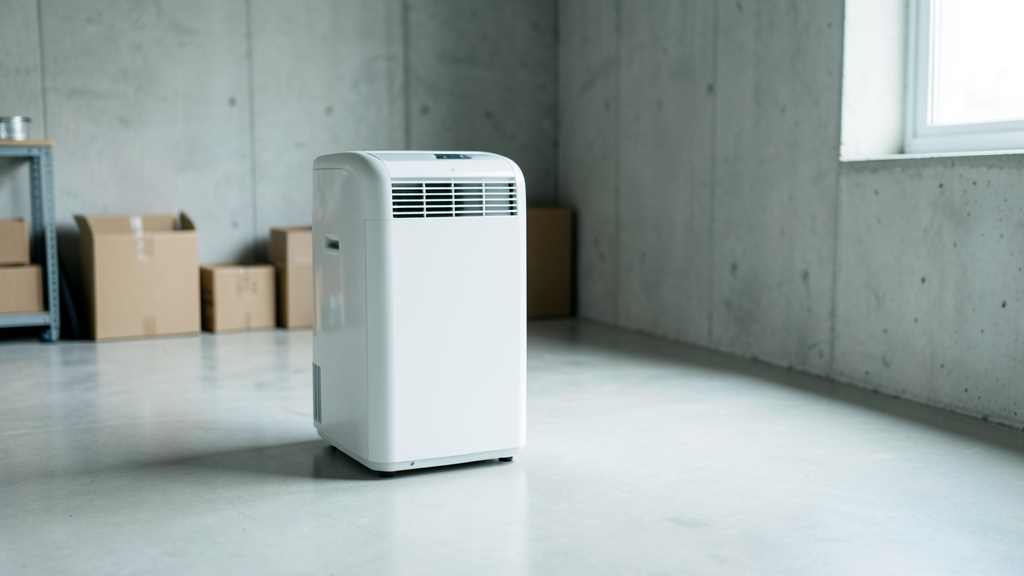
Preparing your business for mold remediation isn’t just about clearing space—it’s about protecting your staff, customers, and operations. Our team knows the unique challenges of commercial properties in our region, from historic buildings in Preston to modern facilities near Ledyard. Proper prep ensures the process is efficient, safe, and thorough.
Understand Why Preparation Matters for Commercial Mold Remediation
Mold remediation in commercial spaces demands precision. Unlike residential jobs, businesses often have larger footprints, complex HVAC systems, and sensitive equipment that can’t be exposed to spores or cleaning agents.
Improper prep can lead to cross-contamination, extended downtime, or incomplete removal. In humid CT summers or damp falls, lingering moisture can also cause mold to return quickly.
Commercial mold isn’t a weekend project. Improper handling can spread spores to clean areas, worsening the problem. Always work with qualified professionals.
Step 1: Identify and Isolate the Affected Area
Start with a professional mold inspection and air quality testing. These reveal the extent of contamination, even in hidden spots like ductwork, crawl spaces, or behind walls.
Once identified, seal off the area with 6-mil polyethylene sheeting and tape. Containment barriers prevent spores from migrating to clean zones during remediation.
Step 2: Protect Non-Affected Areas and Assets
Cover furniture, equipment, and inventory with plastic sheeting. For high-value items, consider temporary relocation to a clean, climate-controlled space.
Shut down HVAC systems in the affected area to prevent spore dissemination. In multi-zone systems, isolate the contaminated zone while keeping others operational.
Pre-Remediation Protection Checklist
- Seal all doorways, vents, and openings with plastic sheeting
- Cover or remove electronics and sensitive documents
- Turn off HVAC to the contaminated area
- Notify employees and post clear warning signs
- Arrange for temporary workspace if needed
Step 3: Address Moisture Sources Immediately
Mold thrives on moisture. Before remediation, fix leaks, condensation issues, or poor drainage. In older buildings common in Voluntown or Griswold, this might mean repairing aging plumbing or improving ventilation.
Use dehumidifiers to bring humidity below 50%. This slows mold growth and helps remediation efforts stick. Our team often deploys industrial-grade units for commercial spaces.
CT’s climate swings from humid summers to wet falls. Invest in a quality hygrometer and set up alerts for humidity spikes.
Step 4: Clear the Space for Access and Safety
Remove obstacles like furniture, storage boxes, or decor to give our team unobstructed access. This speeds up remediation and reduces labor costs tied to moving items on-site.
Ensure clear pathways for equipment like air scrubbers, HEPA vacuums, and negative air machines. Safety is paramount—tripping hazards can delay the project.
What to Expect During the Remediation Process
Our team uses HEPA filtration and negative air pressure to contain spores. Porous materials like drywall or carpet often require removal, while non-porous surfaces can be cleaned with antimicrobial agents.
Air scrubbers run continuously to capture airborne spores. The process may take 1–5 days, depending on the contamination level and your building’s size.
| Material Type | Typical Action | Duration Factor |
|---|---|---|
| Porous (Drywall, Carpet, Ceiling Tiles) | Removal and replacement | Longer (structural work) |
| Non-Porous (Metal, Glass, Plastic) | HEPA vacuuming + antimicrobial cleaning | Shorter (surface treatment) |
| HVAC Systems | Duct cleaning or replacement | Varies (system complexity) |
Post-Remediation: Verification and Prevention
After remediation, we conduct clearance testing to confirm spore levels are safe. This step is critical for commercial spaces to ensure compliance with OSHA and EPA guidelines.
Long-term prevention includes moisture control, regular inspections, and maintaining HVAC systems. Businesses in Preston or Ledyard with basements or attics should prioritize these areas for ongoing checks.
Minimizing Business Disruption
We schedule remediation during off-hours or weekends when possible. For flexible operations, we phase the work to isolate sections of your facility, keeping critical areas functional.
Communicate with employees and clients about the process. Transparency reduces anxiety and helps everyone understand the temporary adjustments.
How to Prepare Your Staff for Mold Remediation
Keeping your team informed and safe is just as important as prepping the space.
- 1Hold a Pre-Remediation Meeting
Explain the process, timeline, and safety measures. Address concerns about health or workflow disruptions.
- 2Relocate Sensitive Individuals
Employees with respiratory issues or immune compromises should work remotely or in unaffected areas during remediation.
- 3Provide PPE if Needed
If staff must enter adjacent areas, supply N95 masks or other recommended gear. Our team wears full PPE in containment zones.
- 4Designate a Point of Contact
Assign someone to liaise with our crew for access, questions, or unexpected issues. This streamlines communication.
- 5Plan for Temporary Adjustments
Arrange alternate workspaces, adjust schedules, or set up remote access for critical systems if needed.
Frequently Asked Questions
How long will my North Stonington business need to close for mold remediation?
Most commercial remediation projects take 1–5 days, depending on the size and severity of the contamination. We work efficiently to minimize downtime and can often phase the work to keep parts of your business open.
Can mold return after remediation?
Yes, if the moisture source isn’t fixed. That’s why we emphasize moisture control and regular inspections, especially in humidity-prone areas like basements or crawl spaces. Our prevention plans are tailored to your property’s needs.
Is mold remediation covered by commercial insurance?
It depends on your policy and the cause of the mold. Many policies cover remediation if the mold results from a covered peril, like a burst pipe. Check with your provider and request a quote from us to understand potential costs.
Do you handle mold in HVAC systems for businesses in nearby towns like Voluntown or Griswold?
Yes. HVAC systems are common culprits for mold spread in commercial buildings. We clean or replace contaminated ductwork and provide recommendations to prevent future growth, serving businesses across the region.
What’s the difference between mold removal and mold remediation?
Mold removal refers to eliminating visible mold, while remediation addresses the root cause (like moisture) and ensures spores are contained and prevented from returning. Remediation is the comprehensive solution we recommend for commercial properties.
How do I know if my business needs professional mold remediation?
Signs include visible mold, musty odors, water stains, or employees reporting respiratory issues. If you suspect a problem, start with a professional mold inspection and air quality test. Early action saves time and money.