When to Call a Pro for Mold and Mildew Remediation in North Stonington
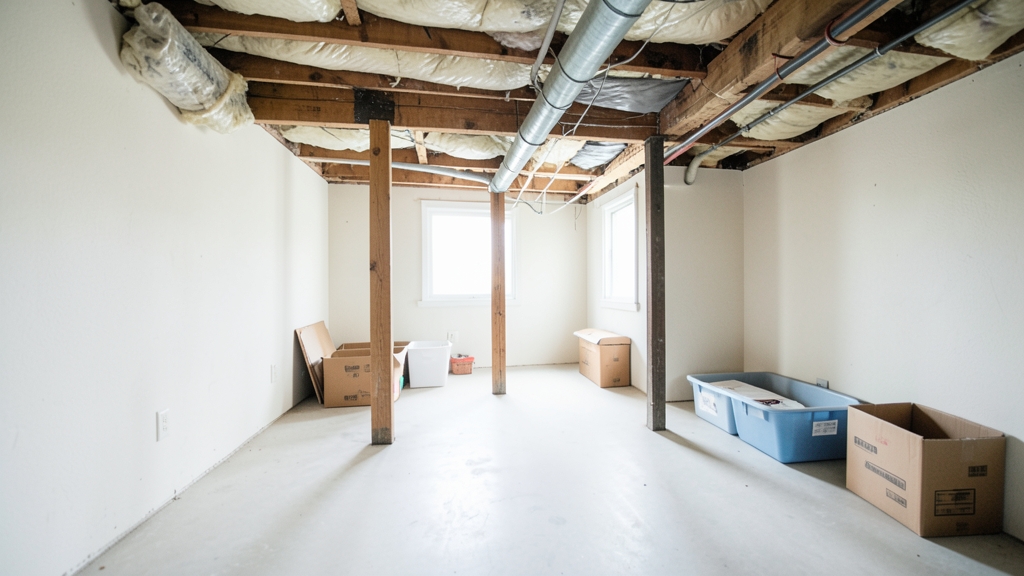
Mold and mildew thrive in our region’s damp climate, especially after wet Connecticut winters or humid summers. While small patches might seem manageable, hidden growth or toxic strains demand professional intervention. We’ve seen firsthand how quickly DIY fixes can backfire in North Stonington homes and businesses.
Mold vs. Mildew: Know the Difference Before You Act
Mildew is surface-level, powdery, and usually white or gray—often found on shower walls or window sills. It’s unsightly but less destructive.
Mold, however, penetrates materials like drywall, wood, and insulation. It appears fuzzy or slimy, in blacks, greens, or blues, and can compromise structural integrity.
Both spread via spores, but mold often signals deeper moisture issues that require remediation, not just cleaning.
| Characteristic | Mildew | Mold |
|---|---|---|
| Appearance | Powdery, flat | Fuzzy or slimy |
| Color | White, gray, yellow | Black, green, blue, red |
| Depth | Surface-level | Penetrates materials |
| Health Risk | Mild (allergies, irritation) | Moderate to severe (respiratory, mycotoxins) |
| Common Locations | Bathrooms, kitchens, windows | Basements, crawl spaces, attics, behind walls |
| Remediation | DIY cleaning (bleach, vinegar) | Professional remediation often required |
DIY Is Risky: When Mold Crosses the Line
The EPA advises against DIY mold removal for areas larger than 10 square feet. In North Stonington’s older homes, hidden mold often covers far more.
Porous materials like drywall, ceiling tiles, or carpet padding usually require removal. Non-porous surfaces (glass, metal) can sometimes be cleaned, but only if the root moisture issue is fixed.
Disturbing mold without proper containment can release spores into your HVAC system, spreading contamination to Voluntown or Griswold neighbors’ shared ductwork in multi-unit buildings.
Black mold (Stachybotrys) and other toxic varieties thrive in chronically damp areas. If you see dark, slimy patches or smell a musty odor, evacuate the area and call a pro immediately.
Hidden Mold: The Silent Threat in Local Homes
Our team often finds mold lurking behind walls, under flooring, or in crawl spaces after water damage from burst pipes or poor drainage. North Stonington’s clay-heavy soil can exacerbate basement moisture.
Signs include persistent musty odors, water stains, or peeling paint. Even if you can’t see it, elevated humidity (above 60%) or condensation on windows can signal a breeding ground.
Attics are another hotspot. Poor ventilation traps moisture from daily activities, leading to mold on rafters or insulation. We’ve remediated many attics in Preston and Ledyard with similar issues.
The Remediation Process: What to Expect
First, we conduct a thorough mold inspection and air quality testing to assess the extent and type of contamination. This step is critical for tailoring the remediation plan.
Containment is next. We use plastic sheeting and negative air pressure to prevent spores from spreading during removal. HEPA air scrubbers filter airborne particles in real time.
For non-salvageable materials, we safely remove and dispose of them according to Connecticut regulations. Salvageable surfaces are cleaned with antimicrobial treatments, then dried and sealed.
Pro Remediation Steps
- Inspection and air quality testing
- Containment setup with barriers and negative air pressure
- Safe removal of contaminated materials
- HEPA vacuuming and antimicrobial cleaning
- Drying, dehumidification, and sealing
- Post-remediation verification testing
Moisture Control: The Key to Preventing Recurrence
Mold remediation without moisture control is a temporary fix. We address the root cause—whether it’s a leaky roof, poor grading, or inadequate ventilation.
In basements and crawl spaces, we often install vapor barriers, sump pumps, or dehumidifiers. For attics, improving airflow with soffit vents or ridge vents can prevent condensation buildup.
Regular maintenance is critical. Check for leaks under sinks, around windows, and near appliances. Monitor humidity levels, especially during Connecticut’s humid summers.
Run dehumidifiers in basements and crawl spaces during wet seasons. Aim for 30-50% humidity to starve mold spores before they take hold.
Commercial Mold Remediation: Unique Challenges
Businesses in North Stonington, from historic buildings to modern offices, face distinct risks. Mold in commercial spaces can disrupt operations, violate health codes, and harm reputations.
We often work with property managers to address mold in HVAC systems, which can circulate spores throughout an entire building. Schools, hospitals, and restaurants require especially stringent protocols.
Timing is critical. Commercial remediation often happens after hours to minimize downtime, but containment and safety remain the top priorities.
Why Local Expertise Matters in Connecticut
Our team understands North Stonington’s unique climate and construction styles. Older homes, common in areas like Voluntown or Griswold, often have hidden vulnerabilities like outdated plumbing or poor insulation.
We’re familiar with local building codes and environmental regulations, ensuring compliance during remediation. Plus, we know the seasonal patterns—spring thaws and fall rains—that trigger moisture issues.
Choosing a local pro means faster response times and tailored solutions. We’ve built relationships with contractors, inspectors, and insurance adjusters across the region.
How to Inspect for Hidden Mold in Your Home
Follow these steps to identify potential mold issues before they escalate.
- 1Check for Visible Signs
Look for discoloration, water stains, or warping on walls, ceilings, and floors. Pay special attention to basements, attics, and around windows.
- 2Follow Your Nose
A musty odor is a strong indicator of hidden mold. Trace the smell to its source, even if no mold is visible.
- 3Inspect for Moisture
Use a moisture meter or look for condensation, dampness, or peeling paint. Focus on areas prone to leaks or poor ventilation.
- 4Examine HVAC Systems
Check vents, ducts, and drip pans for mold or excess moisture. Contaminated HVAC systems can spread spores throughout your home.
- 5Look for Past Water Damage
Review areas with previous water issues (e.g., after a storm or plumbing leak). Mold can develop within 24-48 hours of water exposure.
- 6Monitor Humidity Levels
Use a hygrometer to measure humidity. Consistently high levels (above 60%) increase the risk of mold growth.
Frequently Asked Questions
How do I know if the mold in my North Stonington home is toxic?
Toxic mold, like black mold (Stachybotrys), often appears dark green or black and has a slimy texture. However, visual identification isn’t reliable—lab testing is the only way to confirm toxicity. If you suspect toxic mold, avoid disturbing it and contact a professional for air quality testing.
Can I paint over mold to hide it?
No. Painting over mold without addressing the underlying moisture issue will not solve the problem. The mold will continue to grow beneath the paint, potentially causing health issues and further damage. Always remediate the mold and fix the moisture source first.
What should I do if I find mold in my rental property?
Document the issue with photos and notify your landlord or property manager immediately. In Connecticut, landlords are typically responsible for addressing mold issues that affect health and safety. If they’re unresponsive, you may need to escalate the issue or seek legal advice.
How long does mold remediation take in a typical North Stonington home?
The timeline depends on the extent of the contamination and the size of the affected area. Small, contained issues may take 1-3 days, while larger or hidden mold problems can require a week or more. Drying time and post-remediation testing add to the duration.
Does homeowners insurance cover mold remediation?
Coverage varies by policy. Most standard policies cover mold remediation if it’s a result of a covered peril, like a burst pipe. However, they often exclude mold caused by long-term neglect or high humidity. Review your policy and consult your insurer to understand your coverage.
Can mold come back after remediation?
Yes, if the moisture issue isn’t fully resolved. That’s why professional remediation includes identifying and addressing the root cause of the mold growth. Regular maintenance, such as controlling humidity and fixing leaks promptly, is key to preventing recurrence.